ATF officials say new guidance will address Form 4473 suppressor transfers, short-barreled firearms, interstate travel, and other questions left by the Texas NFA injunction.
The ATF may finally be preparing to answer some of the biggest questions left hanging by the federal court injunction that upended enforcement of key National Firearms Act restrictions.
ATF Director Robert Cekada said new federal guidance dealing with suppressors, short-barreled rifles, short-barreled shotguns, and other affected firearms could arrive within weeks, according to a new report from AmmoLand.
And dealers already conducting covered suppressor transfers received an even more important answer.
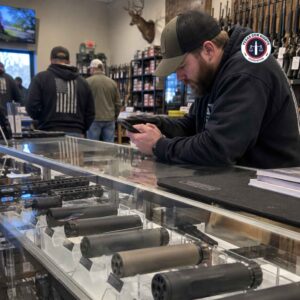
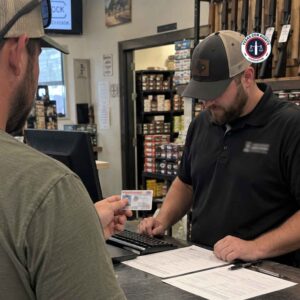
Cekada reportedly said Federal Firearms Licensees transferring suppressors using ATF Form 4473 will not be cited for violations merely for conducting those transfers.
That is the clearest statement yet from ATF leadership about a practice that has spread since the Texas NFA injunction took effect in August.
ATF Gives Dealers a Direct Answer
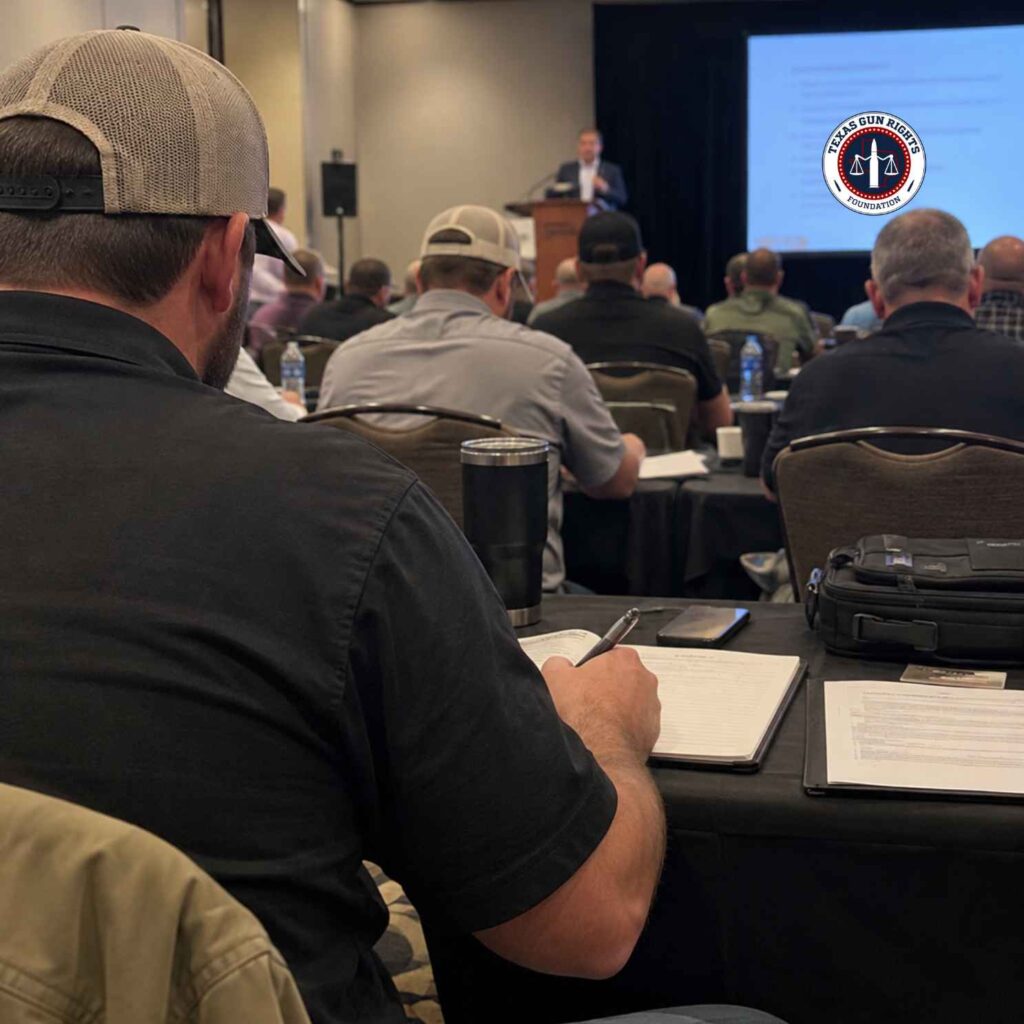
Cekada made the comments during “The Briefing,” an FFL compliance event in Dallas attended by senior ATF officials.
AmmoLand reporter John Crump asked Cekada how ATF Industry Operations Investigators are supposed to handle dealers they encounter transferring suppressors using Form 4473.
According to AmmoLand’s account of the exchange, Cekada said those dealers will not be cited for violations based on those transfers.
Former ATF NFA Division Chief Steve Albro reportedly added that ATF’s policy is to presume suppressors transferred using Form 4473 were lawfully transferred.
That builds on what Texas Gun Rights reported earlier this month.
At least four FFLs reportedly passed ATF inspections after conducting Form 4473-only suppressor transfers, with none receiving violations related to those transactions.
At the time, those inspections offered an important glimpse into ATF’s real-world enforcement posture — but they did not amount to formal agency policy.
Cekada’s reported statement now gives dealers a much more direct answer from the top of the agency.
But written guidance still matters.
An FFL making compliance decisions under federal firearms law should not have to rely on remarks from a conference to determine whether federal inspectors will consider a transaction lawful.
SBRs and SBSs Could Be Next
The forthcoming guidance could also address one of the largest unresolved problems created by the injunction: dealer transfers of short-barreled rifles and short-barreled shotguns.
As Texas Gun Rights explained when the injunction first took effect, the court blocked enforcement of the challenged NFA provisions against covered parties, but separate provisions of the Gun Control Act remained.
One of those provisions, 18 U.S.C. § 922(b)(4), generally prohibits an FFL from transferring an SBR or SBS to an individual unless specifically authorized by the Attorney General consistent with public safety and necessity.
That created a major practical distinction between suppressors and short-barreled firearms even after the injunction took effect.
Now ATF appears to be working on that problem.
AmmoLand reports that forthcoming guidance will address SBR and SBS transfers and could provide a mechanism for transfers outside the traditional Form 4 process.
Exactly how ATF intends to accomplish that remains unclear.
Until the actual guidance is published, speculation about its contents should not be mistaken for existing federal policy.
Interstate Travel Is Also on the Table
ATF is also reportedly preparing guidance on interstate transportation of affected NFA firearms.
That issue matters because the injunction did not simply wipe every related provision of federal firearms law off the books.
Federal law separately addresses interstate transportation of certain firearms, while individual states can impose their own restrictions.
According to AmmoLand, ATF Chief Legal Counsel Robert Lieder acknowledged another important limit during the Dallas event: the agency cannot force states to accept ATF’s interpretation.
That means federal guidance may answer some questions without resolving every legal issue a gun owner could encounter while crossing state lines.
The exact firearm, the owner’s coverage under the injunction, federal law, and the laws of the states involved can all matter.
ATF Says Guidance Is Close
The timing is also significant.
According to AmmoLand, Cekada said the guidance is not finished but is close. He identified ATF, the Department of Justice, and the White House as stakeholders in the process and said he expects the guidance within the next couple of weeks.
ATF officials also discussed separate changes underway for Form 4473, including removal of the county field and other revisions. AmmoLand reports that the revised form is not expected until after the holiday season.
Those Form 4473 revisions should not be confused with the forthcoming guidance implementing the NFA injunction. They are separate developments.
For gun owners covered by the injunction, the immediate issue is what ATF says about the federal restrictions and procedures that remain after the court’s order.
The Guessing Game Needs to End
The legal landscape has moved quickly.
But federal firearms law carries serious consequences, and Americans should be able to determine what the government considers lawful without reconstructing federal policy from conference remarks, anonymous sources, inspection reports, and rumors.
The government has had a binding federal court order in front of it since August.
Now gun owners and dealers need to see the promised guidance in writing.
Texas Gun Rights Foundation will continue tracking the injunction, ATF’s implementation of the ruling, and the legal questions surrounding suppressors, SBRs, SBSs, and other affected firearms.
Chip in today to help the Texas Gun Rights Foundation fund constitutional research, legal education, and public information defending the Second Amendment.